
House Clearance in Maynooth Before You Sell or Move: A Guide for Vendors, Downsizers and Agents
How to fit a house clearance into the timeline of a sale or a move in Maynooth: when to clear, how much to clear, what to do with the things you are not taking, and how to keep the vendor, agent and solicitor on the same page.
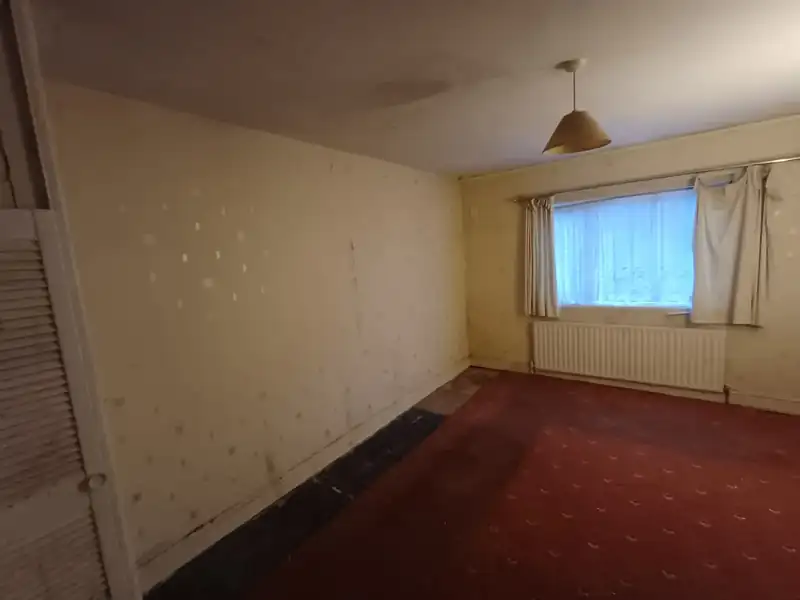
Why the clearance date matters more than the clearance itself
In a sale, a house clearance is rarely the main event. It is the step that decides whether everything after it runs to plan. A property that is still full on the day of the photographer's visit is photographed full. A property that is still full on the day of the first viewing leaves buyers guessing at room sizes. A property that cannot be emptied by completion can hold up a closing. For vendors, estate agents and solicitors the practical question is therefore not "should we clear?" but "when, and how much?".
This guide is for the people who coordinate that in Maynooth and the surrounding area: homeowners selling and moving on, families downsizing, executors selling a house from an estate, property managers acting for an owner, and agents instructed on a sale. It is general guidance and not legal or financial advice. PropertyClearance.ie is based in Athy, Co. Kildare, and clears properties in Maynooth and across the county; the general service details are on our house clearance in Maynooth page and our wider property clearance guide.
A sale timeline with the clearance in the right place
The order most agents and vendors find works best:
- Instruction and first walk-throughThe agent sees the property as it is and agrees with the vendor what needs to go. This is the moment to take photographs for a clearance quote.
- ValuationAnything the valuer needs to see stays in place until they have been. Tell the clearance company what must not move yet.
- Decide what is moving with youThe vendor decides what goes to the new home, what is sold or given away, and what is cleared.
- ClearanceFull or partial, ideally booked before the photographer, not after.
- Clean and small repairsA clean, and any touch-ups or painting, once the property is empty and swept.
- Photographs and listingTaken in the cleared, cleaned property. Dated clearance photographs are useful for the agent's notes.
- Viewings and sale agreedKeys with the agent, access times agreed and the vendor kept informed.
- ClosingFinal check that nothing has been left, meters read and keys handed over as required by the solicitor.
Full clearance, partial clearance or selective clearance
Vendors often assume the whole house must go. Sometimes it should; sometimes it should not. The decision usually depends on whose property it is and what buyers will see.
Full clearance
Suits probate and inherited properties, vacant houses, and homes where the vendor has already moved. An empty house photographs cleanly, lets buyers judge the space and removes any question over contents at completion.
Partial clearance
Suits an owner still living in the property who wants rooms decluttered for viewings, or a house where only the attic, garage or one packed room needs to go. You keep what you love; we take the rest.
Selective clearance
Suits a vendor leaving a few pieces of furniture for staging or sale with the property. Label what stays and everything else goes.
Buyers open every door. The attic hatch, the garage, the shed and the back garden are all part of the viewing, so they are worth including in the quote. Whether carpets stay or go is a question for the agent: many prefer them left down unless they are badly worn, and we are happy to take them up if the vendor decides otherwise.
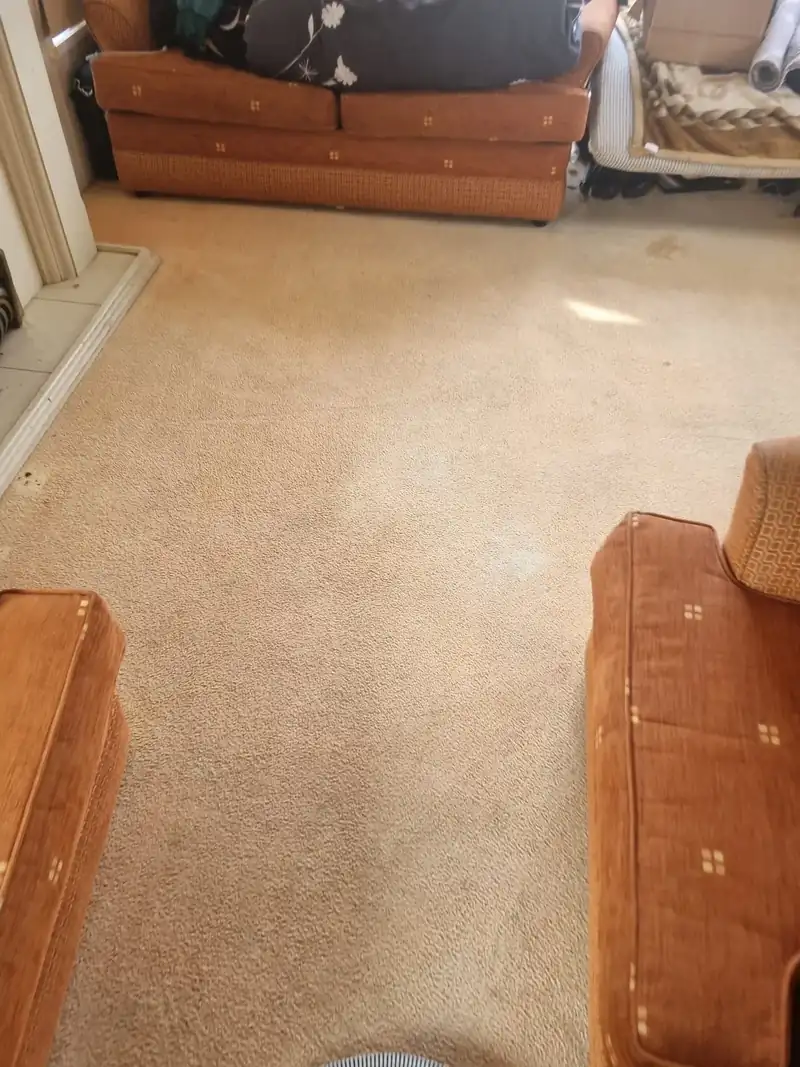
If you are downsizing or moving into care
A lot of sale-related clearances in towns like Maynooth are not about an empty house at all. They are about a household moving from a family home into something smaller, and deciding what a lifetime of belongings becomes. This is emotionally harder than it sounds, and a few principles help.
- Start with the space you are moving to. Measure it and decide how much furniture it can hold before you decide what to take. It is easier to let go of things when you know what they would be replaced by.
- Work room by room, not box by box. One room at a time, finishing each before the next, gives a sense of progress. Do the attic, garage and shed last or hand them over entirely.
- Offer things to family first. Photographs of items sent to relatives often find homes quickly. Give a deadline.
- Get anything valuable assessed. If you own antiques, art, jewellery or collectables, a valuer or auctioneer can advise on value before the clearance.
- Keep a small box of memories. Even in a very small space, a single box of photographs and mementos is manageable.
- Let us do the lifting. You choose what stays in the house, and the crew does the rest, with no need for you to carry anything.
A partial clearance during the move, followed by a final sweep and the removal of whatever remains, is a common arrangement. We can often combine the furniture going to a new address with the clearance of what is left, but mention it when you request the quote.
What to do with the things you are not taking
Every household has the same problem: far more stuff than will fit in the next home. This is how most categories can be handled.
- Furniture. Good pieces can be sold, given to family or donated. Dining sets, wardrobes and bulky sideboards often have the least market value and the highest cost to move, so decide early whether they are worth the effort.
- Clothes and linen. Clean items can be donated; ask your local charity shops what they accept. The rest is recycled where possible.
- Books. Charity shops and second-hand booksellers take some; the remainder is recycled. Check them for letters and money.
- Electricals. Working items can be donated or sold. Broken items are handled as waste electrical equipment.
- Paperwork. Keep tax, pension, property and insurance documents. Shred anything with personal or financial details you do not need to keep.
- Garage, shed and attic. Tools, bikes, suitcases and decorations accumulate. We cannot take paint, solvents, oils, chemicals, batteries or gas cylinders; take them to a civic amenity site or a hazardous waste collection, and we clear the rest.
- Garden items. Old furniture, pots, timber and equipment can be included in the clearance.
We handle whatever you do not want: reuse where possible, recycling next, and licensed disposal for the remainder. We do not sell items on your behalf, so arrange any sales separately and before the clearance date.
Keys, access and apartments
Most pre-sale clearances are done without the vendor present. The agent or solicitor holds the keys, and we collect them on the morning, clear to written instructions, send photographs of every room and return the keys to whoever you name. Alarm and gate codes are handled in the same way.
Apartments and townhouses in managed developments need a little planning. Many blocks require lift bookings for moves, have loading bays with time limits and management rules on moving hours, and some car parks cannot take a truck. Tell us the floor, the lift arrangements and the management company's rules and we will plan around them. Our apartment clearance page covers this in more detail.
If an inspection is planned, whether a valuer, a surveyor or an insurer, tell us the date. We can clear before or around it.
In and around Maynooth, tell us if the house is in an estate with limited parking, on a narrow road or on a busy route. A photograph of the street is all we need to plan where the truck goes.
Who does what
A simple division of responsibility keeps a sale moving:
| Role | Typically responsible for | What the clearance company needs from them |
|---|---|---|
| Estate agent | Viewing timeline, photography, advising what to clear | Key-holder, photography and first-viewing dates, items that must stay |
| Solicitor | Title, contracts, completion date | Confirmation of who can instruct, any items needed for the estate, completion date |
| Vendor or executor | Decisions on contents and what is kept | A list of items to find or keep, one point of contact |
| Property manager | Access and building rules | Lift and loading-bay arrangements, management-company contact |
| Clearance company | Fixed quote, clearance, photographs, keys back | Photos of every room and outbuilding, honest condition notes |
What affects the price
Every clearance is quoted from photographs or a visit. We give one fixed written price covering labour, transport and disposal. The things that set it are:
- Volume of contents, the biggest factor, because it determines truck space and crew time.
- Property size and floors. More rooms and more stairs mean more carrying.
- Access. Lifts, loading bays, parking, long paths and steps all affect time.
- Attic, garage, shed and garden, which are often as full as the house.
- Condition. Damp or heavily cluttered contents take longer.
- Extras. Lifting carpets, taking down curtains and dismantling fitted furniture add work.
- Reusable items, which reduce disposal.
- Deadline. Timeframes are not promised before we have seen the job.
Because the price is fixed, you can include it in the sale budget and not worry about how long the crew takes on the day.
Selling from an estate
When a property is being sold from an estate, the clearance is both a practical task and an emotional one for the family. Agree first with the solicitor what can move and when, and ensure the family has had time to take what they want. Our guide on house clearance after a death in Naas covers how we handle this with care, and we can provide a written quote beforehand and written confirmation of clearance afterwards if the solicitor wants it for the file.
A four-week plan for getting a house sale-ready
If you have a month before you want to list, this is a workable order of work. If you have less, the same steps can be compressed, and the clearance itself is rarely the slow part.
Week one: decide and document
Walk the house with the agent. Agree what is staying with the property, what is going with you and what is surplus. Photograph each room, the attic, garage and shed. Decide who the key-holder is and whether anyone else needs to be consulted, such as a co-owner, an executor or a landlord.
Week two: take what you want, sell what has value
Move the items you are keeping. List anything worth selling, and get anything possibly valuable assessed. Offer surplus furniture to family and friends, setting a deadline for collection. Send photographs to us for a fixed quote.
Week three: clearance and clean
The clearance happens. The property is swept and photographed. A cleaning company then goes through, and any small repairs or paintwork are done in the emptied rooms. This is also the moment to check meters, bins and the garden.
Week four: photography and listing
The photographer works in a cleared, cleaned property. The agent writes the listing with the dated photographs to hand, and viewings begin.
If you only have a week, the plan is shorter but the order is identical. The only thing to protect is the order: clearance before clean, clean before repairs, repairs before photographs.
What buyers notice, and how clearance affects it
Agents can tell you what buyers react to, and much of it is about space and light. These are the points where a clearance makes the biggest difference.
- Room size. A bedroom with a double bed, two wardrobes and boxes looks smaller than it is. Removing surplus furniture lets buyers see real dimensions.
- Storage. Buyers open wardrobes, hot presses and attic hatches. Space that is full of belongings suggests there is not enough storage; space that is clear suggests there is.
- Smell and condition. Stale air in a long-unoccupied house or a cluttered kitchen can put buyers off before they notice anything else.
- Outbuildings and garden. A garage and shed full of junk reads as neglect. A clear garage reads as extra usable space.
- Photographs. Listing photographs are the first viewing. Cluttered rooms photograph badly even when the house itself is good.
None of this means that every house needs to be stripped bare. It does mean that taking out the surplus is one of the most effective things a vendor can do before listing.
Questions to ask any clearance company before a sale
Whoever you choose, these are worth asking so the clearance does not become a problem in the middle of a sale.
- Can you commit to a date that lands before the photographer or the first viewing?
- Is the price fixed and written, and does it include disposal?
- Are you an authorised waste carrier, and can I see the permit number?
- Can you work from keys held by the agent, and will you send photographs when finished?
- Will you set aside anything personal or valuable you find?
- Can you leave particular items in place, and protect them while you work?
- Do you provide dated before-and-after photographs and written confirmation of clearance?
We answer yes to each, with fixed written pricing, authorised waste carrier status under Waste Collection Permit No. NWCPO-25-13287-01, full insurance, and keys and photographs arranged to suit you.
Common mistakes, and how to avoid them
- Booking the clearance after the photographs. The most common and the most expensive in lost first impressions. Clear before the photographer.
- Forgetting the outbuildings. Buyers open every door. Include the attic, garage, shed and garden in the plan.
- Clearing something the valuer needed. Tell everyone what must not move yet.
- Leaving the decision to the last week. Even though the clearance can be fast, deciding what goes can take weeks. Start the decisions early.
- Not telling the clearance company about access. Lifts, loading bays, stairs and parking all affect the plan.
- Throwing out papers that matter. Keep property, tax, pension and insurance documents. Shred what you no longer need.
- Expecting the clearance company to sell items. We reuse, recycle and dispose of surplus; arrange any sales yourself beforehand.
Vendor and agent checklist for a pre-sale clearance
Before you book:
- Agree the timeline: valuation, clearance, clean, photographs, viewings
- Decide full, partial or selective clearance
- List anything the valuer or solicitor must see before it moves
- Decide what is going to the new home and what is being sold or given away
- Label items that are staying with the property
- Include the attic, garage, shed and garden in the quote
- Arrange keys, alarm codes and any lift or loading-bay booking
- Send photos of every room for a fixed price
- Book the clearance before the photographer
- Arrange cleaning, repairs and decoration afterwards
- Keep dated before-and-after photographs for the listing file
Tell us the key-holder, the photographer's date and the first viewing. We will plan the clearance to land before them.
Where else we clear before sales
Alongside Maynooth we cover Leixlip, Celbridge, Kilcock, Clane and Naas, the rest of County Kildare, and Dublin, Laois, Carlow, Kilkenny and Wicklow.
What our customers say
Words from customers, copied as written from our Google Business Profile.
Would highly recommend Ciprian! Himself & his colleague did an excellent job on a house clearance recently. They were extremely thorough, professional & efficient. They arrived promptly & there was good communication with Ciprian who was easy to contact. A job well done.
Just had a full house clearance done this morning and I cannot recommend them enough. Punctual, extremely helpful and everything done to a very high standard. Thanks very much - a tough job and you handled it so professionally
House clearance in Maynooth before a sale - common questions
When should the clearance be booked in relation to the photographer?
Can an estate agent instruct a clearance for a vendor?
Should the whole house be cleared before a sale?
Can you leave some furniture for staging?
Should carpets be lifted?
Can you work around a valuer or surveyor visit?
Do you provide proof of clearance for a solicitor?
I am downsizing. Can you clear what I am not taking?
Do you sell items on my behalf?
What about apartments with lift and loading-bay rules?
What do you not take?
How is the price set?
Do you cover places around Maynooth?
Are you insured and licensed?
Send photos & get a quote
The fastest way to a fixed price: a few photos of each room or area, your Maynooth address or Eircode, and a rough idea of when you'd like it done. No obligation.
- Fixed written price — labour, transport and disposal included
- Dates agreed once we have seen the job; timeframes are not promised beforehand
- Fully insured crew, authorised waste carrier (Permit No. NWCPO-25-13287-01)
- Reuse and recycling first; valuables and sentimental items set aside for you
Prefer WhatsApp? Send photos to 083 090 4545.
Related guides
Property clearance guide
End-of-tenancy, vacant, probate and pre-sale clearances explained for landlords, agents, sellers and executors.
Read the guide →House Clearance Dublin guide
What a Dublin house clearance includes, what drives the price, how to prepare, and what happens on the day.
Read the guide →Bereavement house clearance guide
How to approach clearing a parent's or relative's home — probate, executors, sorting belongings and what to expect on the day.
Read the guide →Services covered in this guide
House Clearance
Full or part house clear-outs, left broom-clean.
Learn more →Property Clearance
Any property, any size — houses, flats, offices, sheds and sites cleared.
Learn more →Bereavement Clearance
A discreet, unhurried service when clearing a loved one's home.
Learn more →Attic Clearance
Lofts and attics emptied — you decide what stays, we take the rest.
Learn more →Garage Clearance
Get your garage back — junk, tools and heavy items removed.
Learn more →Furniture Removal
Sofas, beds, wardrobes and white goods collected and taken away.
Learn more →House to clear before a sale or a move in Maynooth?
Send photos of each room and tell us the key-holder and your photography or viewing date. We will quote a fixed price.