House Clearance in Kilcock When a Family Home Has Become Too Full: How to Help a Relative Without Hurting Them
When a relative's home in Kilcock has filled up beyond what they can manage, the hardest part is not the lifting. It is how to raise it, how to keep their trust and how to let them stay in charge of what goes.
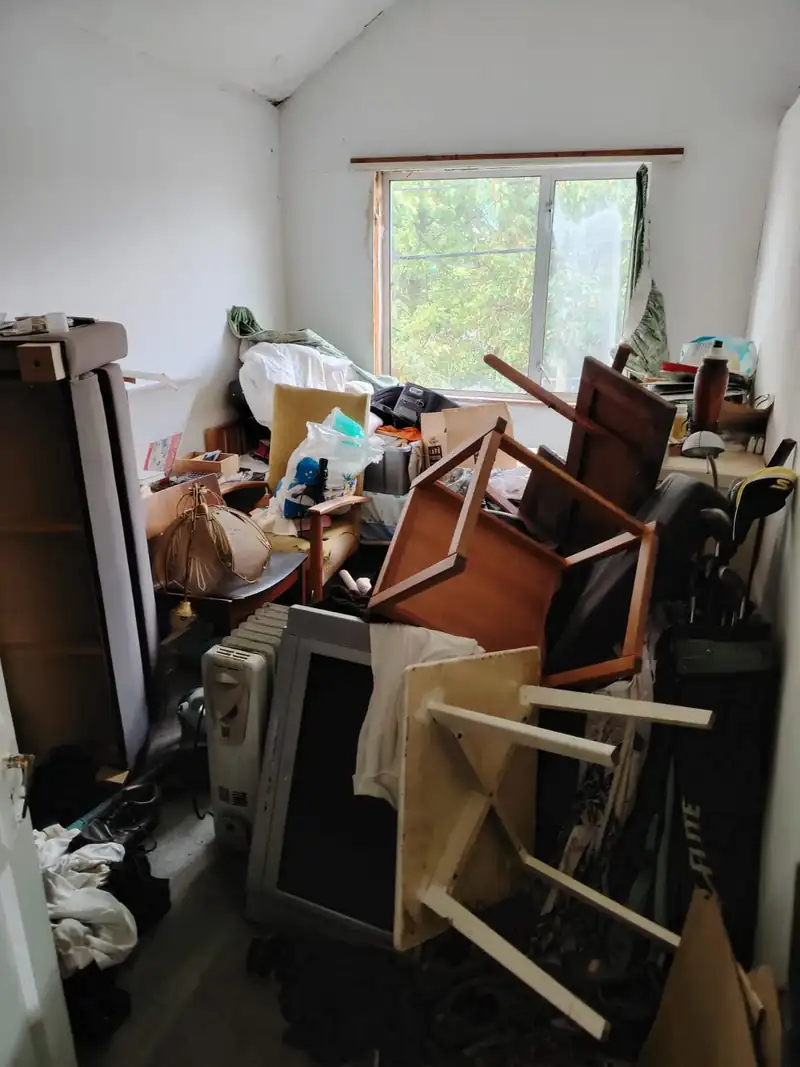
When the house has become too full
Most families who contact us about a cluttered home do not use dramatic words. They say a parent has "let things build up", or that a brother's house "is a bit much", or that they have not been able to get past the kitchen for a while. Often they have been worried for months or years and do not know what to do. They are afraid of upsetting the person, of making things worse, of doing something that cannot be undone.
This guide is for people in that position in and around Kilcock. It covers how to raise the subject, what to understand before you begin, how to keep the person whose home it is in charge of what goes, what the work involves in practice, and how a clearance company can help without taking over. It is general guidance and not medical, legal or social-care advice. If you are worried about someone's health or safety, speak to their GP or the relevant services. PropertyClearance.ie is based in Athy, Co. Kildare, and clears homes in Kilcock and across the county. Our house clearance in Kilcock page has the general service details, and our hoarder clearance page describes how we approach heavily cluttered properties.
Understanding before acting
A home becomes very cluttered for many reasons, and they matter because they shape how you should approach it.
- Grief and loss. After a bereavement, a person may find it impossible to move a husband's or wife's belongings. The clutter becomes a kind of memorial.
- Age and ability. Bending, lifting and managing stairs become hard. Things pile up because no one can carry them out.
- Illness or low mood. Depression, anxiety, memory problems and other health conditions can make ordinary household tasks overwhelming.
- A habit of keeping. Someone who grew up with scarcity may be unable to throw away something that might be useful.
- Compulsive saving or acquiring. For some people the difficulty is more deeply rooted and may be helped by professional support.
You do not need to know which applies. What matters is to understand that the belongings are rarely just things to the person. A bag of old carrier bags may stand for security; a stack of newspapers for a part of their day. Treating the problem as rubbish that needs removing, rather than as something that matters to them, is the quickest way to lose their trust.
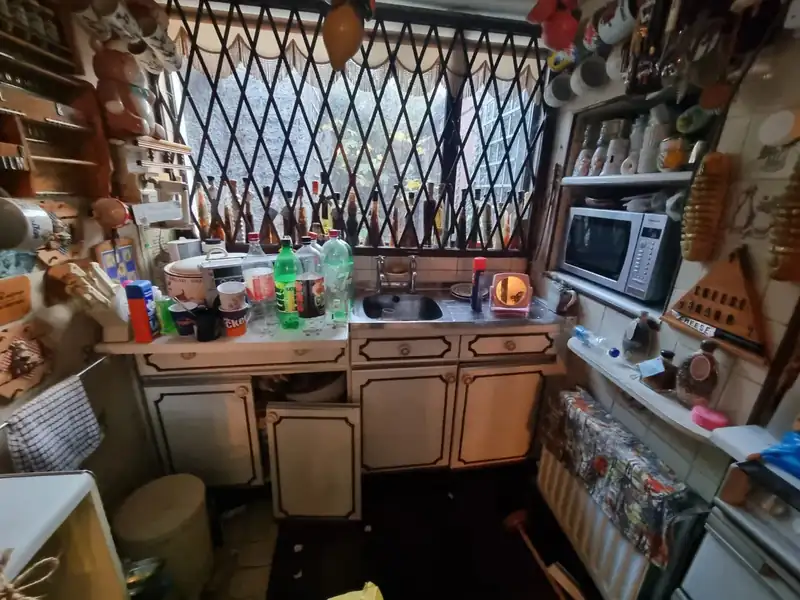
Starting the conversation
The first conversation matters more than any plan. A few approaches tend to work better than others.
Begin with concern, not criticism
"I'm worried about you tripping on the stairs" is easier to hear than "this place is a mess". Talk about safety, comfort and their wellbeing rather than appearance.
Ask what they want
Ask what bothers them most about the house, and what they would like to be able to do that they cannot at the moment. Having a visitor, using the kitchen table, reaching the bathroom without stepping over things. Start there.
Offer small, specific help
"Could we clear the path from the front door to the sitting room?" is a request a person can say yes to. "We need to clear the house" is not.
Do not surprise them
Never arrange a clearance behind someone's back or while they are out. That breaks trust, can cause distress, and is likely to result in the house filling up again. It is also unfair to the crew.
Be patient and expect setbacks
The first conversation may go badly. Come back to it another day. Most people need several conversations before they are ready.
Consider bringing in help
A GP, a public health nurse, an older-persons service or a trusted family friend may be better placed to raise some issues than a relative. If someone seems unwell, unsafe or very distressed, get appropriate support rather than relying on a clearance.
Keeping the person in charge
The most important principle is that the person whose home it is decides what goes. Not you, and not us. A clearance done to someone rather than with them tends to cause distress and rarely lasts.
In practice this can mean:
- They choose what stays. Before we begin, they point out everything that is important to them. We mark it, protect it and leave it where they want.
- They can stop the work. If they become distressed, we pause. A job can be done over more than one visit.
- They can be there, or not. Some people want to stand with the crew and direct every item. Others prefer to be elsewhere, perhaps with a relative, and to see the result afterwards. Both are fine.
- Nothing is thrown away in secret. The crew sets aside anything personal, valuable or important and shows it to them.
- The plan is agreed in advance. They know which rooms will be done, in what order, and what will happen to the items.
When contact is made by a family member, we will always ask whether the person whose home it is knows and agrees. We will not arrange work that they have not agreed to.
Safety: what to check before anyone starts
Very full homes can be hazardous. Before any clearance, and especially before you help with sorting yourself, look at the following.
- Routes and exits. Is there a clear route from the front door to the main rooms? Can the person leave quickly in an emergency?
- Stairs. Are the stairs and landing clear? Stairs with stored items are a fall risk.
- Heating and electrics. Are heaters, sockets and cables buried under belongings? That is a fire risk.
- Kitchen. Is the cooker usable? Is there spoiled food?
- Damp and mould. Look at walls and the backs of furniture.
- Pests. Check for signs of mice, rats or insects, and tell us if you see them so the crew comes prepared.
- Sharp, heavy and hazardous items. Broken glass, tools, and any paint, chemicals or gas cylinders (which we cannot take; see below).
- Medication. Old and unused medicines should be returned to a pharmacy.
If you are worried about immediate safety, tell the person's doctor or the relevant services. Do not wait for a clearance. Tell us what to prepare for. We do not take asbestos, clinical waste or hazardous chemicals, which need specialist contractors. We cannot take paint, solvents, oils, chemicals, batteries or gas cylinders; take them to a civic amenity site or a hazardous waste collection, and we clear the rest.
How a clearance of a very full home usually goes
The sequence that works best:
- Talk first, no commitmentCall or message us. Tell us what the home is like and who the person is. We listen and answer questions. There is no obligation.
- Photographs, taken with themTake photographs of each room and the outbuildings, with the owner's agreement. Honest photographs, untidied, give the most accurate quote.
- A fixed quote and a planWe give a fixed written price. If the job is large, we may suggest a visit and a staged plan over more than one day.
- Agree what staysThe owner points out everything important. We mark it and protect it.
- Start with the safest, most useful spaceOften the entrance, the kitchen and the route to the bathroom. Quick, visible progress builds confidence.
- Sort as we goItems are separated into keep, reuse, recycle and dispose, with the owner or their nominee deciding on anything uncertain.
- Pause when neededA break, a cup of tea, or a second visit is fine.
- Sweep and photographsEvery cleared room is swept and photographed. The owner and family can see the result.
- Keep it from refillingAgree a few simple habits with the family, and keep in touch.
Working room by room: a sensible order
In a very full home, the order of work matters as much as the pace. A sequence that gives quick, visible benefit is easier for everyone.
1. The way in and the main route
Start with the front door, the hall and the path to the main rooms. A clear route is safer, lets people visit, and gives the first sense of progress.
2. The kitchen
A usable kitchen changes daily life. Clear the cooker, the sink and the table first, remove spoiled food and keep the items the person uses.
3. The bathroom and the bedroom
Access to a toilet, a wash and a bed is the minimum. Clearing these rooms improves comfort straight away.
4. The sitting room
Often the room most full of memories: photographs, books, ornaments. Allow the most time here and let the owner lead.
5. The stairs and spare rooms
Stairs matter for safety, and spare rooms often hold the largest volume, since they became storage. These rooms can usually be cleared faster because the contents are less personal.
6. The attic, garage and shed
These are often last because they feel least urgent, but they can hold as much as the house. Photograph them for the quote.
If it is your home: what to expect and what you can ask for
If you are the person whose home it is, and a family member has suggested a clearance, you may be feeling worried, defensive or ashamed. None of those feelings is unusual, and none is a reason to cancel. Here is what you can expect from us, and what you are entitled to ask for.
- You decide. You choose what stays. We do not take anything you have told us to keep.
- No judgement. We have worked in homes of every kind, and we are not there to criticise.
- A plan you understand. Ask for the order of work, the rooms and the timing before the day.
- The right to stop. If you need a break or want to stop for the day, say so.
- Your privacy. Anything personal is set aside and shown to you, and handled with discretion.
- A person of your choice. You can have a friend or relative with you throughout.
It may also help to remember that the aim is not a perfect house. It is a home you can move around safely and use as you want to.
If you are the family member: how to support on the day
The family member who arranged the clearance often finds the day harder than expected. A few suggestions:
- Be there if possible, or arrange for a trusted person to be there. A familiar face matters.
- Let the owner lead. Resist the urge to hurry them or to make decisions for them.
- Do not comment on the state of the house. Remarks that seem harmless can hurt.
- Bring tea, food and patience. The day can be long and emotional.
- Keep an eye on the owner's energy. Suggest a break if they seem tired or upset.
- Plan something kind for afterwards. A meal together, or a visit to see the cleared room, helps the day end well.
Common mistakes, and how to avoid them
- Clearing without the owner's agreement. It damages trust and rarely lasts.
- Trying to do it all in a weekend. A staged approach is kinder and more effective.
- Judging the contents. What looks like rubbish may matter to the owner.
- Forgetting the outbuildings. Photograph the attic, garage and shed for the quote.
- Ignoring safety. Check exits, stairs and electrics early, and get support if there is a health concern.
- Throwing away papers. Gather documents into one box for the family.
- Treating the clearance as the end. Plan for visits and routines afterwards.
What happens to everything that goes
It helps people let go if they know where things are going. In our work, items follow these routes.
- Kept. Everything the owner chooses stays, protected and left where they want it.
- Set aside. Documents, photographs, jewellery, cash and anything else that looks personal or valuable is put aside and shown to the owner or their nominee. In a heavily cluttered home, important papers are often found in unexpected places, so we check as we go.
- Reuse. Furniture and household goods in good condition are set aside for donation or reuse where possible.
- Recycling. Metal, timber, cardboard and paper are sorted for recycling, and electrical items are handled as waste electrical equipment.
- Disposal. What cannot be reused or recycled goes to licensed waste facilities. PropertyClearance.ie is operated by Krystal Klean Express Limited, an authorised waste carrier.
We do not sell items on anyone's behalf, and we do not offer data destruction. Phones, computers and documents containing personal information should be dealt with by the family.
Afterwards: helping the clearance last
A single clearance is a fresh start, not a cure. Without support, a home can start to fill again. These things help:
- Regular visits. A weekly visit from a relative, neighbour or friend makes a difference.
- Simple routines. A bin collection day, a weekly shop, one new item in and one old item out.
- Support if it is needed. A GP, a counsellor or an older-persons service can help with the underlying causes.
- Follow-up. If the family wants us to return in six months for a small tidy, they can ask.
- Celebrating progress. The first clear kitchen table is worth noticing.
What affects the quote
Every job is priced from photographs or a visit, with a fixed written price. These are the factors:
| Factor | Why it matters | What to send or tell us |
|---|---|---|
| Volume of contents | The biggest factor: truck space and crew time. | Photos of every room, attic, garage, shed and garden |
| Sorting needed | Careful sorting for papers and keepsakes takes longer than simple removal. | What the owner wants to check or keep |
| Access inside | Cleared routes, stairs and landings change the speed. | Honest photos of hallways and stairs |
| Condition | Damp, spoiled food or pests mean extra care. | Anything the crew should know |
| Number of visits | A staged plan may mean two or three days. | Whether the owner wants a gentle pace |
| Outbuildings | Garages and sheds are often as full as the house. | Photos of each |
A checklist for helping a relative in Kilcock
Before you call:
- Have a gentle first conversation, starting with concern rather than criticism
- Ask what they want to be able to do in their home
- Check immediate safety: exits, stairs, heating, electrics, kitchen
- Get support from a GP or relevant services if there is a health concern
- Make sure the person agrees to the clearance
- Take photographs together, untidied, including the attic and outbuildings
- Ask them to point out everything that must stay
- Gather important documents into one box for the family
- Return unused medicines to a pharmacy
- Agree a gentle pace, and a pause if they become distressed
- Plan visits and routines for afterwards
Call or send a message and talk it through first. There is no pressure and no obligation.
Where else we clear near Kilcock
Alongside Kilcock we cover Maynooth, Clane, Kill, Naas, Leixlip and the rest of County Kildare, as well as Dublin and the surrounding counties. For a longer account of the attic, garage and shed side of a clearance, see our guide to what to expect from a house clearance in Clane.
What our customers say
Words from customers, copied as written from our Google Business Profile.
Thanks so much to Krystal Klean express Limited who made a daunting task manageable. We had to clear out our grandparents house, who were hoarders… With artefacts from the early 1900’s! There was excellent communication from the first inquiry to the days before the job itself and afterwards to check on our satisfaction . The lads were punctual, hard-working, good humoured, respectful of the family history and dynamics, and we’re not perturbed by any of the wildlife or vintage alcohol found in the house! Although the job was bigger than they originally anticipated, they were quick to adapt their plans and kept to the original quote. Job done in a day and a half! It would have taken our family weeks to do! 100% recommend!
I found Ciprians company on a Google search as I needed help with a very cluttered attic. I liked that the website said he would allow sorting and keeping on the day as I was as hoping to find items not seen for a long time. All other companies stressed that items to be kept needed to be removed before the visit.
I have added a photo of the cover Ciprian put on the stair carpet. He also cleans carpets and wears all his hats on every job.
His helper was unavailable but Ciprian did the job excellently on his own. Again I was given time to check before every bag was removed to his truck.
He reused my vacuum bags to gather loose items in the attic and removed everything including loose wood left left by previous workmen doing flooring.
I did not need anything put back into the attic as Ciprian had offered as it was to be left empty for another company who will install shelving etc
Excellent communication via WhatsApp prior to the day and very polite.
Reasonable price for the work involved..
Thank you..
House clearance in Kilcock for a cluttered home - common questions
Do you clear very cluttered homes in Kilcock?
Does the owner have to agree?
Can the owner be present?
Will you throw away things that matter?
Can the work be done over more than one day?
What if there are pests or damp?
What do you not take?
Will you shred or destroy documents?
How is the price worked out?
What happens to the items?
Can you help stop the home refilling?
Are you insured and licensed?
Send photos & get a quote
The fastest way to a fixed price: a few photos of each room or area, your Kilcock address or Eircode, and a rough idea of when you'd like it done. No obligation.
- Fixed written price — labour, transport and disposal included
- Dates agreed once we have seen the job; timeframes are not promised beforehand
- Fully insured crew, authorised waste carrier (Permit No. NWCPO-25-13287-01)
- Reuse and recycling first; valuables and sentimental items set aside for you
Prefer WhatsApp? Send photos to 083 090 4545.
Related guides
Hoarder clearance guide
Staged clearances, careful sorting, discretion and safety — how a hoarded or heavily cluttered home is cleared without judgement.
Read the guide →Bereavement house clearance guide
How to approach clearing a parent's or relative's home — probate, executors, sorting belongings and what to expect on the day.
Read the guide →House Clearance Dublin guide
What a Dublin house clearance includes, what drives the price, how to prepare, and what happens on the day.
Read the guide →Services covered in this guide
Hoarder Clearance
Judgement-free help to restore a hoarded home.
Learn more →House Clearance
Full or part house clear-outs, left broom-clean.
Learn more →Attic Clearance
Lofts and attics emptied — you decide what stays, we take the rest.
Learn more →Garage Clearance
Get your garage back — junk, tools and heavy items removed.
Learn more →Furniture Removal
Sofas, beds, wardrobes and white goods collected and taken away.
Learn more →Worried about a relative's home in Kilcock?
Call or send a message and talk it through first. There is no pressure and no obligation.